How to Care for a Leather Jacket
A leather jacket is one of the few wardrobe pieces that genuinely gets better with age. But only if you treat it right. Crack it, dry it out, or store it wrong, and that investment starts looking tired fast. This guide walks you through exactly how to care for a leather jacket so it stays sharp, supple, and full of character for years to come.
Whether you own a classic biker jacket, a vintage bomber, or a tailored leather coat, the care principles stay the same. Clean it properly. Condition it at the right time. Store it the right way. Do those three things consistently, and your jacket will outlast almost anything else in your wardrobe.
1. Understanding Your Leather Before You Start
Not all leather is created equal. Before you reach for any product, you need to know what you are working with.
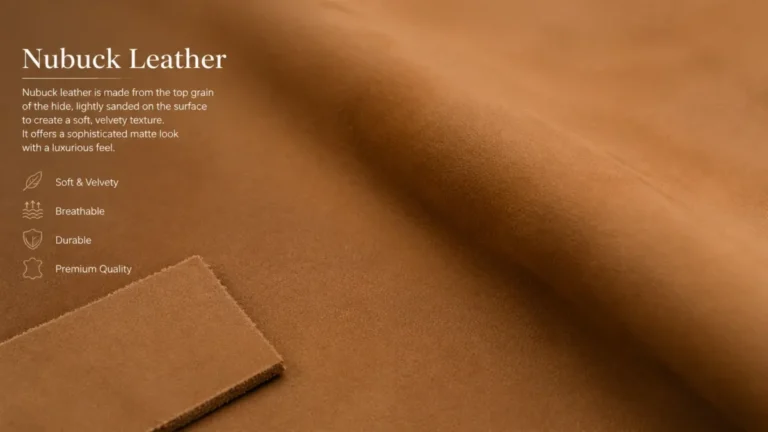
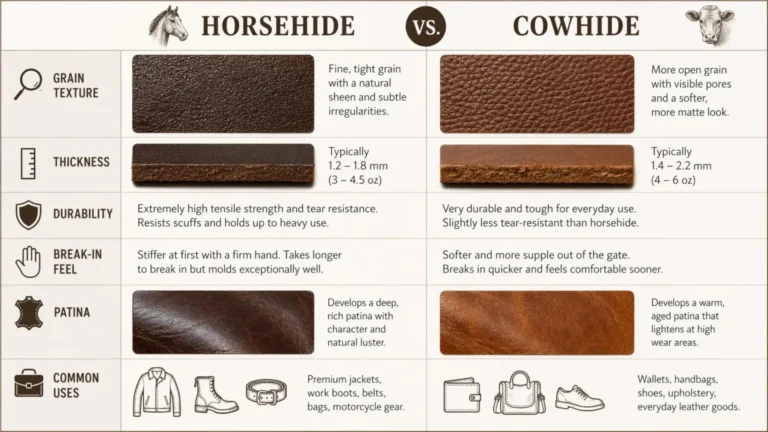
Full-grain leather is the most durable and develops a beautiful patina over time. Top-grain leather is slightly more refined and a bit more uniform. Suede and nubuck require entirely different care products, so never use a standard leather conditioner on them.
Some high-quality jackets, such as those made from Horween Chromexcel or Badalassi Steerhide, come loaded with natural oils and waxes already worked into the hide. As leather specialists at Aero Leather note, these jackets require very little conditioning for the first few years after purchase, depending on your climate.
Pro Tip: If you are unsure what type of leather your jacket is made from, check the label or contact the manufacturer. Using the wrong product can cause irreversible discolouration or damage.
2. How to Clean a Leather Jacket the Right Way
Cleaning is where most people go wrong. They overdo it, use the wrong products, or skip it altogether.
How Often Should You Clean It?
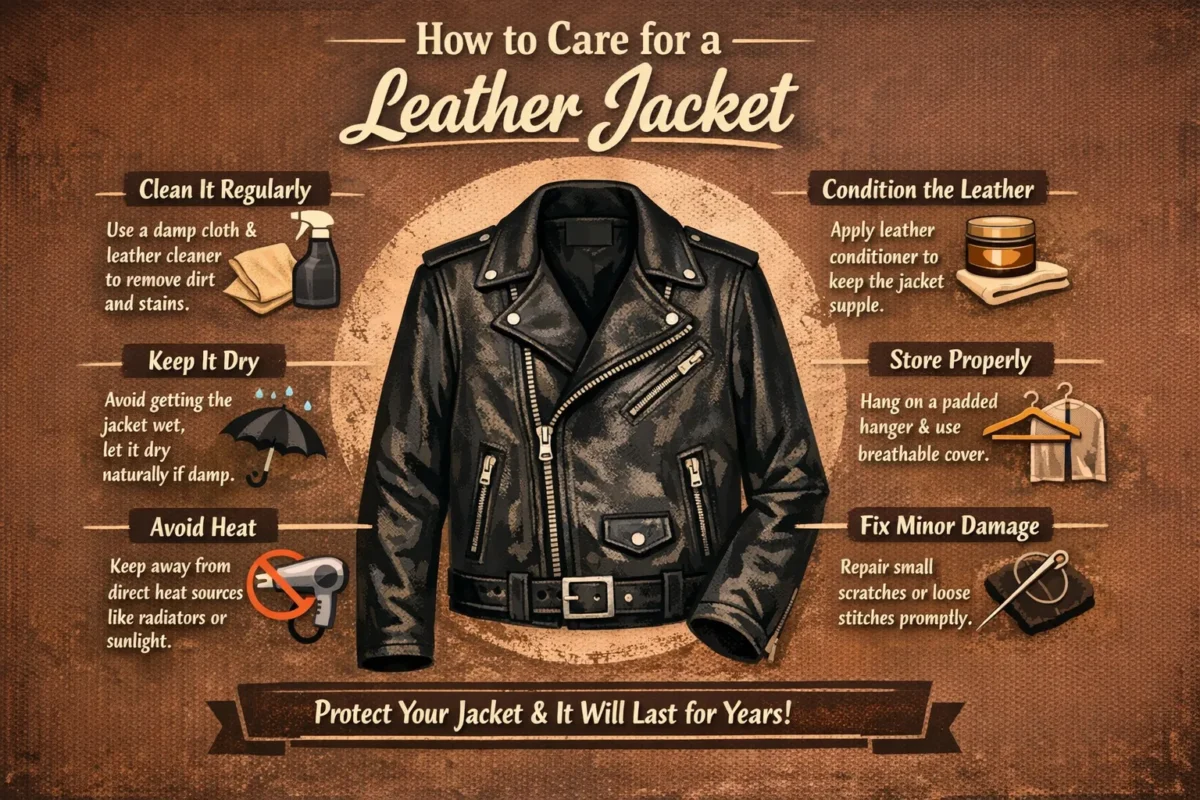
Clean your leather jacket once or twice a year. If you wear it daily, lean toward twice. In between, a quick wipe with a soft, dry cloth removes surface dust and keeps it looking fresh without stressing the material.
What You Need
- A soft cloth or clean sponge
- Lukewarm water
- A drop of mild, pH-balanced soap (dish soap works in a pinch)
- A dry towel for dabbing
Step-by-Step Cleaning Process
Dampen your cloth or sponge with lukewarm water. Add just one small drop of mild soap. Wring out any excess moisture, because you want the cloth barely damp, not wet.
Work in slow, circular motions across the surface of the jacket. Focus on visibly dirty areas first, then go over the whole jacket lightly for an even finish. Once done, gently dab the surface with a dry cloth. Do not rub.
Let the jacket air-dry naturally in a well-ventilated spot. Keep it away from radiators, direct sunlight, and tumble dryers. Forced heat destroys leather.
Pro Tip: Never submerge your leather jacket in water and never put it in a washing machine. Too much moisture dries out the hide and causes it to crack and stiffen.
3. Conditioning Your Leather Jacket
Leather naturally loses its oils over time. Heat, sun exposure, and regular wear all accelerate that process. Conditioning replenishes those oils and keeps the material soft and flexible.
When to Condition
For most jackets, conditioning once or twice a year is enough. If you live somewhere dry and hot, you may need to do it more often. Check the leather by feel. If it starts to look dull or feel slightly stiff, it is telling you it needs some attention.
Brand-new jackets made from oil-rich hides often need no conditioning for the first couple of years. The leather already has plenty of moisture in it. Conditioning too early or too frequently can over-saturate the hide, leading to a greasy texture or colour change.
Choosing the Right Leather Conditioner
Use a high-quality natural leather conditioner. Avoid anything containing silicone, petroleum, or synthetic waxes. These coat the surface without nourishing the hide. A good conditioner sinks in and feeds the leather from within. You can find purpose-made options from trusted suppliers like Aero Leather Clothing, who stock conditioners specifically designed for quality leather garments.
How to Apply Conditioner
- Test the product on a small hidden area first, such as inside the collar or under the hem
- Apply a small amount to a clean, soft cloth
- Work it into the leather using gentle circular motions
- Let it absorb for 10 to 15 minutes
- Buff lightly with a dry cloth to create a smooth finish
Less is more when it comes to conditioning. A thin, even coat works far better than a heavy application. If you apply too much, the leather simply cannot absorb it all, and you end up with a sticky surface.
4. Dealing with Stains and Spills
Accidents happen. The key is to act fast and stay calm.
Water Stains
Lightly dampen the entire panel where the stain sits. Water stains often appear because the leather dried unevenly. Dampening the whole panel and letting it dry uniformly usually brings it back to normal.
Oil and Grease
Blot the stain immediately with a dry cloth. Do not rub. Sprinkle a tiny amount of cornstarch or talcum powder on the affected area and leave it overnight. The powder draws the oil out of the leather. Brush it off gently the next day.
Ink
Ink is tricky. A cotton swab with a small amount of rubbing alcohol can work on fresh stains. Test it on a hidden spot first and work carefully from the outer edge of the stain inward. For set-in stains or anything on a high-value jacket, take it to a specialist.
Pro Tip: When in doubt, leave it to a professional leather cleaner. Attempting to aggressively treat a stubborn stain at home can cause far more damage than the original stain.
5. How to Store a Leather Jacket Properly
Proper storage is the final piece of the puzzle. Get it wrong and all your careful cleaning and conditioning goes to waste.
Use the Right Hanger
Choose a wide, sturdy wooden hanger that can support the weight of the jacket without distorting the shoulders. Thin wire hangers leave permanent creases in the shoulder seams over time. Aero Leather even produces a purpose-built coat hanger designed specifically for heavy leather garments.
Give It Room to Breathe
Leather needs airflow. Do not cram it into a packed wardrobe where it sits squashed between other garments. Keep a clear space on either side so the leather can breathe and maintain its shape.
Keep It Away from Plastic
Never store a leather jacket in a plastic garment bag. Plastic traps moisture and starves the leather of airflow, which accelerates deterioration. Use a breathable cotton dust bag or simply hang it in an open wardrobe.
Avoid Heat, Sunlight, and Damp
Direct sunlight fades the colour over time. Excess heat dries out the oils in the leather. Damp environments encourage mould. Store your jacket in a cool, dry, dark place whenever it is not in use.
If you plan to put the jacket away for a season, give it a light clean and a thin conditioning treatment before storing. You want it in the best possible condition going in, so it comes out looking just as good.
6. Seasonal Leather Jacket Care Tips
Spring and Summer
Before putting your jacket away for warmer months, clean it thoroughly and apply a light coat of conditioner. Store it in a breathable bag in a cool, dry area. Check on it once mid-season if possible.
Autumn and Winter
Before you start wearing your jacket again after storage, inspect it carefully. Look for any dry patches or dull areas and condition those spots before you head out in it. Cold weather does not damage leather directly, but switching between warm interiors and cold air can cause the material to contract and expand repeatedly, so keeping it well-conditioned during winter months matters.
Rainy Days
You can wear a leather jacket in the rain without panic. Just shake off the excess water when you come inside. Hang it up to dry naturally and away from any heat source. Once fully dry, check the surface and apply a small amount of conditioner if it feels like the material dried out at all.
7. Common Leather Jacket Care Mistakes to Avoid
- Using household cleaning sprays or baby wipes that contain chemicals that strip the leather of its natural oils
- Over-conditioning by applying too much product too often, which leads to a greasy, heavy feel
- Leaving the jacket in a car on a hot day, where temperatures can cause cracking and colour fade
- Hanging it by the collar, which stretches the neck and distorts the shape permanently
- Storing it when damp, which encourages mould growth on the inside lining as well as the leather surface
- Using shoe polish as a substitute for conditioner, as it contains chemicals not suited to garment leather
Final Thoughts
Caring for a leather jacket does not require much effort or expensive products. It asks for consistency and a little attention at the right moments. Clean it gently when it needs it. Condition it before the leather starts to feel dry. Store it properly so the shape and texture hold.
A well-maintained leather jacket rewards you generously. It softens in exactly the right places, develops a patina that tells your story, and keeps looking better every single year. Treat it with a little respect, and it will last a lifetime.
Frequently Asked Questions
How often should I condition my leather jacket?
Condition your leather jacket once or twice a year. In dry or hot climates, you may need to condition it more frequently. Brand-new jackets with oil-rich leather often need no conditioning for the first two years. Let the feel of the leather guide you.
Can I put a leather jacket in the washing machine?
No. Machine washing will ruin a leather jacket. Water saturates the hide, causing it to dry out, crack, and lose its shape. Always clean leather by hand using a barely damp cloth with a drop of mild soap, then air-dry naturally.
What is the best way to remove a stain from a leather jacket?
Act fast and blot rather than rub. For oil stains, apply cornstarch overnight to draw out the grease. For ink, try a cotton swab with rubbing alcohol on a hidden area first. For stubborn stains, take the jacket to a professional leather cleaner.
How do I store a leather jacket long-term without damaging it? Give it a light clean and condition before storing. Hang it on a wide wooden hanger, keep it in a breathable cotton bag, and store it in a cool, dry place away from direct sunlight and heat. Never use plastic garment bags.

Grayscale Jacket Editorial Team is a group of fashion writers and product researchers who share guides, reviews, and styling tips about jackets and outerwear. Their goal is to help readers choose high-quality, stylish jackets while staying updated with the latest fashion trends.