
Horsehide vs Cowhide: What Nobody Tells You Before You Buy
Picking the right leather is not always as simple as it looks. You land on a product page, see two material options — horsehide and cowhide — and suddenly you need to become a leather expert overnight. That confusion is real, and it deserves a clear answer.
This guide breaks down everything you need to know. By the end, you will understand the key differences between these two premium leathers, know which one suits your lifestyle, and feel confident walking into any purchase decision.
What Actually Makes These Two Leathers Different?
At first glance, both look like leather. But their source, structure, and long-term behavior tell very different stories.
Horsehide comes from horse hides that were historically used when horses served as primary working animals. Today, horses are rarely raised for their hides, which makes genuine horsehide leather far less common and typically more expensive. That scarcity alone drives many buyers toward it — but the real appeal runs deeper.
Cowhide, sourced from cattle, is the backbone of the global leather industry. It is widely available, consistent in weight, and produced in dozens of finishes. That versatility makes it the default choice for everything from wallets to motorcycle gear.
H2: The Fiber Structure — Where the Real Difference Lives
Here is where things get genuinely interesting.
Horsehide Has a Denser Weave
The fiber structure of horsehide is tighter and more compact than cowhide. Horsehide has a denser fiber structure than cowhide, is generally more abrasion resistant, and is known for taking longer to break in. That density is not just a technical detail — it directly affects how the material wears over time.
Think of it like thread count in fabric. A higher thread count holds up longer, resists fraying, and feels more refined after years of use. Horsehide behaves the same way with leather goods.
Cowhide Offers Greater Consistency
One challenge with horsehide is variation across a single hide. The physical variations and unusual grain patterns across a single horsehide can be significant. That unpredictability is part of its charm — every piece looks genuinely unique — but it does complicate manufacturing at scale.
Cowhide, by contrast, delivers far more uniformity. Makers can cut consistent panels, predict weight and thickness, and produce items that look identical across batches. For everyday goods where uniformity matters, cowhide has a clear practical advantage.
H2: Durability — Which One Lasts Longer?
Both leathers earn high marks here, but they earn them differently.
Horsehide Wins on Raw Toughness
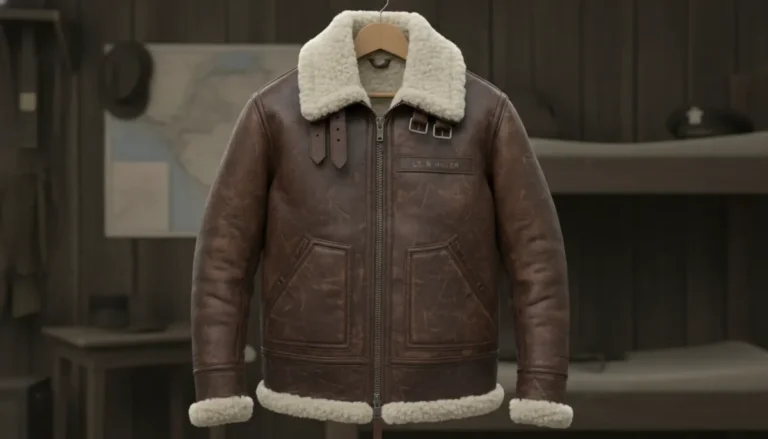
Horsehide resists wear and abrasion at a level most other leathers cannot match. Early aviation jackets, military gear, and police holsters relied on horsehide for exactly this reason — they needed material that could take punishment and keep performing.
Horsehide has a coarser grain and an especially strong fiber structure that makes it one of the most durable leathers available. For items that face daily friction — holsters, motorcycle jackets, boots — that toughness translates to years of extra service life.
Cowhide Holds Its Own for Daily Use
Do not underestimate cowhide. Full-grain cowhide sourced from quality tanneries handles daily wear extremely well. Both horsehide and cowhide leather are known for their durability and aesthetic appeal.
The main difference is that cowhide tends to show wear slightly faster under heavy friction. For wallets, bags, belts, and casual jackets, it performs beautifully. For gear that takes serious abuse, horsehide edges ahead.
H2: Moisture Resistance — Handling Sweat, Rain, and Humidity
Nobody wants their premium leather ruined by a rainstorm. Fortunately, both options handle moisture reasonably well.
Horsehide Breathes and Repels Water Naturally
The tight fiber network in horsehide creates a natural barrier against moisture. Horsehide is naturally waterproof thanks to its breathability and dense, tightly woven structure, making it a great choice for those who live in hot, humid environments.
This matters enormously for anyone who carries a firearm concealed, wears gear outdoors, or lives in a region with high humidity. The leather resists sweat saturation and dries faster when it does get wet.
Cowhide Responds Well to Tanning
Quality cowhide that goes through a rigorous tanning process also resists moisture effectively. The treatment seals the surface and helps it maintain structure even under wet conditions. With proper care — a quick wipe-down and occasional conditioning — cowhide manages moisture without drama.
H2: Appearance and Grain — The Look You Actually Wear
Leather is a visual material. How it looks matters just as much as how it performs.
Horsehide Has Character Built In
The grain on horsehide runs coarser and more irregular. Each hide carries natural markings — scars, insect bites, variations from years of movement. Since horses live longer than cattle and move more freely, it is more common to see blemishes from scars and bug bites on horsehide. Crafters who hand-select premium horsehide often prize these variations rather than hide them.
Over time, horsehide develops a rich patina — a darkening and deepening of tone that makes older pieces look more valuable, not less. This aging quality makes it especially popular for leather jackets and heirloom-quality goods.
Cowhide Offers Finish Flexibility
Because cowhide is more predictable in texture, tanners can apply a wider range of finishes. Matte, glossy, oiled, distressed — cowhide accepts them all. That flexibility makes it easier to find in the color and look you want. Cowhide is available in numerous finishes and colors, making it a versatile choice.
For buyers who want a specific aesthetic out of the box, cowhide tends to offer more options.
H2: Break-In Period — How Long Before It Feels Right?
This is one of the most practical questions buyers ask — and it comes down to density.
Horsehide Needs Patience
Because of its tight fiber structure, horsehide starts stiff. Jackets, holsters, and boots made from horsehide require consistent use before they conform to your shape. The break-in period can run several weeks to a few months depending on how frequently you wear or use the item.
The payoff is significant. Once broken in, horsehide molds precisely to the wearer and holds that shape for years. It becomes genuinely personalized in a way that few materials can replicate.
Cowhide Softens Faster
Cowhide jackets are softer right from the start and more flexible, so they are comfortable to wear right away. For buyers who want a leather jacket or bag that feels good immediately, cowhide removes the waiting period.
This makes cowhide particularly practical for everyday carry items, casual jackets, and accessories where immediate comfort matters more than long-term molding.
For a deeper breakdown of how each leather performs in holster applications specifically, Vedder Holsters covers this comparison in detail.
H2: Price and Availability — What Your Budget Actually Gets You
Horsehide costs more. That is not marketing — it reflects genuine scarcity.
Horsehide tends to be pricier than cowhide due to its durability and relative rarity. Horses are not raised for their hides. The supply chain is smaller, the processing is more specialized, and premium tanneries that work with horsehide — like the well-known Horween Leather Company — command prices that reflect their craft and materials.
Cowhide sits at a lower price point and covers the full range from budget-grade to exceptional full-grain quality. You can spend very little on corrected-grain cowhide or invest significantly in full-grain vegetable-tanned cowhide. The spectrum is wide.
For buyers on a tighter budget who still want real leather, high-quality cowhide delivers outstanding value. For those who want the absolute best performing material available and can justify the cost, horsehide justifies every penny.
H2: Which One Should You Actually Choose?
The honest answer depends on what you need the leather to do.
Choose horsehide if you want maximum durability, natural moisture resistance, and a leather that improves dramatically with age. It suits holsters, motorcycle jackets, boots, and any item that takes daily abuse. Expect a break-in period. Expect to pay more. Expect to own something exceptional.
Choose cowhide if you want immediate softness, a wide range of finishes and colors, easier availability, and solid durability at a lower price. It excels in jackets, bags, wallets, belts, and casual everyday goods.
Both are legitimate premium choices. Neither is the wrong answer — they just serve different priorities. As Aero Leather Clothing notes from decades of making both, the decision truly comes down to your personal preferences and what you want to get out of your leather.
H2: Caring for Either Leather — Simple Rules That Extend the Life
Great leather rewards consistent care. These habits apply to both horsehide and cowhide.
Wipe down your leather after exposure to rain or sweat using a clean, damp cloth. Let it air dry — never use direct heat. Condition it every few months with a quality leather conditioner to prevent cracking and keep fibers supple. Store leather goods away from direct sunlight to prevent fading and drying.
Horsehide needs slightly less conditioning because of its natural density, but it still benefits from occasional treatment. Cowhide, especially lighter finishes, responds particularly well to regular conditioning and stays looking fresh much longer when maintained consistently.
Wrapping Up
Understanding the difference between horsehide vs cowhide removes the guesswork from a real purchasing decision. Horsehide brings unmatched toughness, natural water resistance, and a legendary aging quality. Cowhide brings versatility, immediate comfort, and accessible pricing across a huge range of goods.
Neither option disappoints when it comes from a quality source and receives proper care. The best leather purchase is the one that fits how you actually live — and now you have everything you need to make that call with confidence.
Frequently Asked Questions
What is the main difference between horsehide and cowhide leather?
Horsehide has a denser, tighter fiber structure that makes it more abrasion resistant and durable. Cowhide is softer, more widely available, and easier to break in. For heavy-duty use, horsehide generally outperforms cowhide over time.
Is horsehide leather better for holsters than cowhide?
Horsehide leather works exceptionally well for holsters because it resists sweat, holds its shape over time, and handles daily friction without breaking down quickly. Many serious carriers prefer horsehide for exactly these reasons, though quality cowhide also performs well.
Why is horsehide leather more expensive than cowhide?
Horses are not raised primarily for their hides, which makes horsehide far less available than cowhide. That scarcity, combined with specialized tanning processes, drives the higher price. The durability and unique aging quality of horsehide also add long-term value.
Does horsehide or cowhide age better over time?
Horsehide typically develops a richer patina over time due to its dense grain and natural oils. The leather deepens in color and character with use. Cowhide also ages well, especially full-grain varieties, but horsehide is widely regarded as the more striking of the two as it matures.

Grayscale Jacket Editorial Team is a group of fashion writers and product researchers who share guides, reviews, and styling tips about jackets and outerwear. Their goal is to help readers choose high-quality, stylish jackets while staying updated with the latest fashion trends.