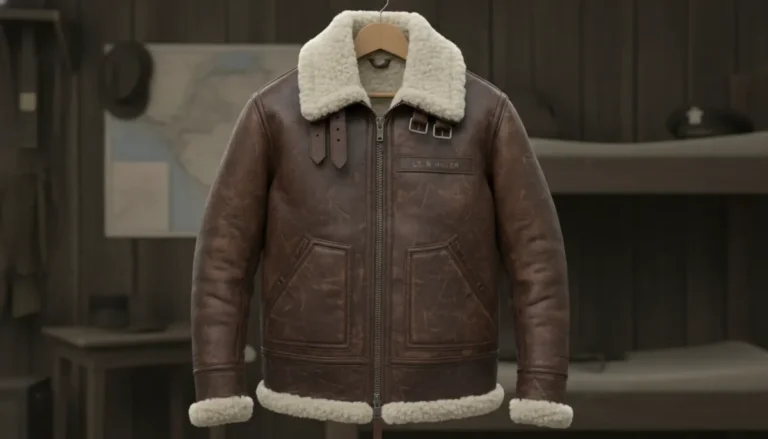

Can You Wear a Leather Jacket in the Rain? Here Is What You Need to Know
You grab your favorite leather jacket, step outside, and the sky opens up. Sound familiar? The good news is that wearing a leather jacket in the rain does not have to ruin your day — or your jacket. Light rain rarely causes serious harm to a well-maintained piece, and millions of riders and style-conscious folks wear leather in wet conditions every single day.
That said, leather and water have a complicated relationship. Leave things unchecked, and you risk stiffness, cracking, and water stains that are tough to reverse. Read on to understand exactly how rain affects your jacket, which leather types hold up best, and the practical steps that keep your investment looking sharp for years to come.
Is Leather Actually Waterproof?
Short answer: no. Longer answer: it depends on the type and treatment.
Leather is a natural, porous material. While it has some built-in water resistance, the tanning process a particular hide goes through plays a big role in how well it handles moisture — with purely vegetable-tanned leather often being less resistant than chrome or combination-tanned options. So when someone asks “is my leather jacket waterproof,” the honest reply is that it is water-resistant to a degree, not fully waterproof.
Think of leather like a dense fabric. A light drizzle beads up and slides off. A prolonged downpour eventually soaks through. The difference between a jacket that survives rain season after season and one that warps and cracks comes down to the leather type, its finish, and how you care for it afterward.
How Rain Actually Damages Leather
Understanding the enemy helps you fight it better. Here is what happens when leather gets soaked.
Water Strips Natural Oils
When leather gets wet, moisture can penetrate its fibers, causing them to swell and potentially weaken over time. Prolonged exposure to water strips the leather of its natural oils, which are crucial for maintaining flexibility and durability. Without these oils, leather becomes brittle and prone to damage.
Improper Drying Makes It Worse
Many people ruin their jackets not in the rain itself, but afterward. Tossing a wet jacket near a radiator or blasting it with a hair dryer causes the leather to dry out unevenly. That leads to stiffness, warping, and eventually cracking along stress points like the elbows and collar.
Stains and Discoloration
Water can leave tide marks and spots, especially on lighter-colored leather. These marks appear as the water dries and minerals from the moisture deposit on the surface. Act fast after getting wet and you can avoid permanent staining.
Which Type of Leather Handles Rain Best?
Not all leather behaves the same way in wet conditions. Here is a quick breakdown.
Full-Grain Leather
Full-grain leather, made from the entirety of the uppermost grain layer of the hide, allows natural fibers to repel water and keep it from penetrating the surface. It is the most durable and high-quality type of leather available. It handles moderate rain well, but still benefits from a water-repellent treatment.
Waxed Leather
Waxed leather sits at the top of the rain-resistance pyramid. Waxed leather is treated with a water-resistant coating, making it ideal for wet weather. It keeps you dry while maintaining its style — the clear winner for rainy conditions.
Goatskin Leather
Goatskin leather is famously known for its naturally occurring water resistance. Its water-shedding properties are exceptional — rain simply slides off its surface. This is precisely why Navy jackets were historically made from goatskin. The water resistance comes from its natural lanolin coating, a waxy grease produced by the animal that repels moisture. The natural fibers in goatskin are also thinner and more tightly packed, making it less porous.
Top-Grain Leather
Top-grain leather performs reasonably well after treatment. It sits just below full-grain in quality and water resistance, making it a solid choice for light to moderate rain if you apply a protective spray.
Bonded Leather and Untreated Splits
Avoid these in wet weather. Bonded leather, made from scraps compressed together, falls apart with moisture exposure. Untreated splits absorb water quickly and degrade fast.
For a deeper dive into leather types and waterproofing, Aero Leather Clothing offers a thorough breakdown worth reading before your next purchase.
Can You Wear a Leather Jacket in the Rain? Yes — With These Steps
The simple answer is yes. You can wear your leather jacket in the rain as long as it is not extremely heavy rain for an extended period and you dry it correctly afterward. In fact, many people wear their jacket in the rain to help assist with the breaking-in process.
Here is how to do it right.
Step 1 — Apply a Water-Repellent Spray Before You Go Out
This single step does more than anything else. A quality leather water-repellent spray creates an invisible barrier on the surface, preventing moisture from soaking into the fibers. Apply it to a clean, dry jacket and let it cure before wearing.
Make it a habit to reapply the spray every few months, or more frequently if you live in a rainy area, ensuring your jacket remains safeguarded against the elements.
Step 2 — Limit Your Time in Heavy Downpours
Light drizzle and moderate rain? Your treated jacket handles it fine. A sustained heavy downpour is another matter. Use an umbrella, seek cover, or layer a packable waterproof shell on top if serious rain moves in. Protect the leather during the worst of it and slip the shell off when skies clear.
Step 3 — Pat It Dry Immediately After
Do not let a wet jacket sit. As soon as you get inside, grab a soft cloth and blot the surface. Work from the most saturated spots outward. Do not rub — that pushes water deeper into the fibers and can scuff the surface.
Step 4 — Air Dry at Room Temperature
This step is critical. Never use unnatural heat sources such as a hair dryer or radiator. Simply wipe any remaining water off with a cloth and hang the jacket to dry naturally in an open space. Give it several hours, or overnight if the jacket got thoroughly soaked.
Step 5 — Condition After Drying
Once the jacket is completely dry, apply a leather conditioner. Water pulls natural oils out of the hide, and conditioning puts them back. Work a small amount into the leather evenly with a clean cloth and let it fully absorb before wearing again. This step keeps the leather supple and prevents the cracking that follows repeated wet-dry cycles without care.
Signs You Should Skip the Leather Jacket Today
Sometimes the wisest move is to leave the leather at home. Consider an alternative if:
- You face a heavy, sustained storm with no shelter along the way
- Your jacket is untreated, cracked, or already showing signs of damage
- You plan to be outdoors for hours with no cover
- The jacket is vintage or high-value and you have not yet applied protective treatment
In these cases, reach for a waterproof shell, waxed canvas jacket, or a quality nylon option instead. Your leather jacket will thank you for it.
Alternative Outerwear for Seriously Wet Days
When conditions call for something purpose-built for rain, these materials step up:
Waxed Canvas — A classic for wet weather. The wax coating repels water effectively and the jacket develops character over time, much like leather.
Gore-Tex — The gold standard for outdoor wet-weather performance. Fully waterproof and breathable, it keeps you dry without overheating during active use.
Nylon and Polyester — Lightweight and packable. These pack down into a bag pocket and slide on over your leather jacket when the sky turns dark. Think of them as insurance policies you carry rather than wear.
Faux Leather (PU Leather) — If you love the leather aesthetic but want something inherently water-resistant, quality PU leather is an underrated option. It does not absorb water the way genuine leather does and wipes clean easily.
Long-Term Care: Keeping Your Leather Jacket Rain-Ready Year-Round
A few consistent habits dramatically extend your jacket life.
Clean it seasonally. Use a leather-specific cleaner to remove grime and buildup before it works into the fibers. Never use household soaps or detergents — they strip oils and damage the surface.
Condition it regularly. Even without rain exposure, leather dries out over time. Condition your jacket two to four times per year depending on how often you wear it and how dry your climate is.
Store it properly. Hang it on a padded hanger in a cool, dry space. Avoid folding or compressing it, which creates creases that weaken the material over time. Keep it away from direct sunlight, which fades color and dries out the hide.
Re-apply water-repellent spray each season. Before rainy season hits, treat the jacket fresh. Think of it the way you would re-waterproof hiking boots before a long trail.
What to Do If Your Leather Jacket Gets Soaked
Caught in a surprise storm without preparation? Stay calm. Here is the recovery plan:
- Get inside as soon as possible and blot excess water with a soft cloth — no rubbing
- Hang the jacket on a padded hanger in a ventilated room away from heat sources
- Let it air dry completely — this can take 12 to 24 hours depending on how wet it got
- Inspect for water stains once dry; use a leather cleaner on any spots you find
- Apply a generous coat of leather conditioner once fully dry and let it absorb fully
- Reapply your water-repellent spray once the conditioner has set
Follow these steps and most jackets recover completely, even from a thorough soaking.
Conclusion
Wearing a leather jacket in the rain is absolutely fine — as long as you treat it before going out, limit exposure during heavy downpours, and care for it properly afterward. The jacket that weathers storms gracefully for decades is the one its owner treats with a little consistent attention.
Understand your leather type, invest in a good water-repellent spray and conditioner, and dry the jacket at room temperature after wet days. Do those things and rain becomes a minor inconvenience rather than a threat. Your leather jacket is built to last. Give it the care it deserves and it will outlast almost everything else in your wardrobe.
FAQ
Can you wear a leather jacket in the rain without ruining it?
Yes. A well-treated leather jacket handles light to moderate rain without lasting damage. Apply a water-repellent spray before wearing, and dry it naturally at room temperature afterward. Avoid heavy prolonged downpours and always condition the leather once it dries completely.
What happens to a leather jacket if it gets wet and you do not dry it properly?
The leather can stiffen, warp, and crack. Using direct heat like a hair dryer speeds up oil loss and causes brittleness. Always air dry a wet leather jacket at room temperature away from radiators and sunlight, then follow with a leather conditioner.
Which type of leather is most water resistant for rainy weather?
Waxed leather and goatskin are the top choices. Goatskin has a natural lanolin coating that repels moisture, while waxed leather carries a protective treatment baked into the hide. Full-grain leather also performs well with proper waterproofing spray applied regularly.
How often should I apply water-repellent spray to my leather jacket?
Apply a water-repellent spray every three to six months, or more frequently if you live in a wet climate or wear the jacket often in rain. Reapply after deep cleaning the jacket as well, since cleaning removes some of the protective coating.

Grayscale Jacket Editorial Team is a group of fashion writers and product researchers who share guides, reviews, and styling tips about jackets and outerwear. Their goal is to help readers choose high-quality, stylish jackets while staying updated with the latest fashion trends.