
Why Do Bikers Wear Leather Jackets?
If you have ever watched a motorcyclist cruise past and wondered why they always reach for leather — you are not alone. The answer goes far deeper than style. There is real history, real science, and real purpose behind every stitch.
By the end of this article, you will know exactly why bikers have worn leather for over a century, why no other material has replaced it, and what makes a leather biker jacket so much more than a fashion statement.
It Did Not Start on a Motorcycle
Most people assume leather jackets were born in the biker world. They were not.
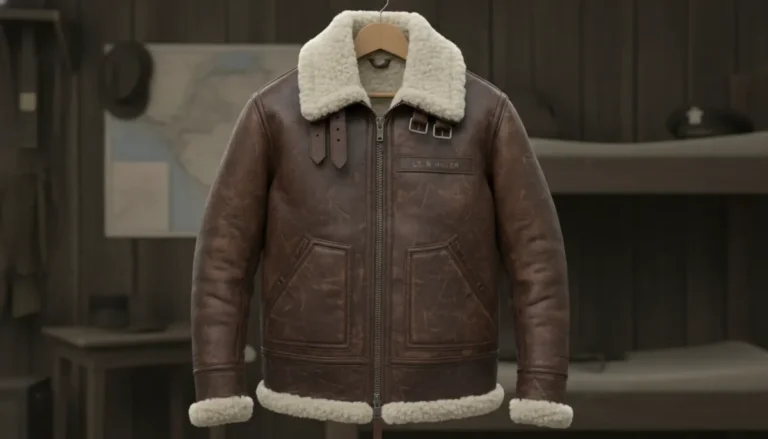
The first leather jackets appeared in the early 1900s — made for pilots flying in open cockpits during World War I. High-altitude flying exposed airmen to brutal cold. Leather made perfect sense: dense, windproof, naturally insulating. Those early designs were heavy, double-layered, and fastened with buttons.
When the war ended, the jacket came back to earth — and motorcyclists took notice.
How Leather Made the Jump from Sky to Road
In the 1920s, the first jackets designed specifically for riders started appearing in the United States, then spread to Europe. The cold-weather protection that served pilots so well translated directly to open-road riding.
But protection from the wind was only part of the story.
Road Rash Is Real
Leather is genuinely hard to tear. When a rider comes off a bike, the road does not forgive. Gravel, tarmac, and debris can strip through ordinary fabric in milliseconds. Thick leather slows that process significantly — reducing cuts, abrasions, and the kind of road rash that can put someone in a hospital.
No other everyday fabric comes close to matching that resistance. Denim tears quickly. Synthetics can melt under friction. Leather holds together.
Debris and Wind Protection
Riding at speed turns dust, small stones, and insects into high-velocity projectiles. Leather absorbs those impacts. It also cuts wind far more effectively than woven fabrics, keeping core body temperature stable on long rides.
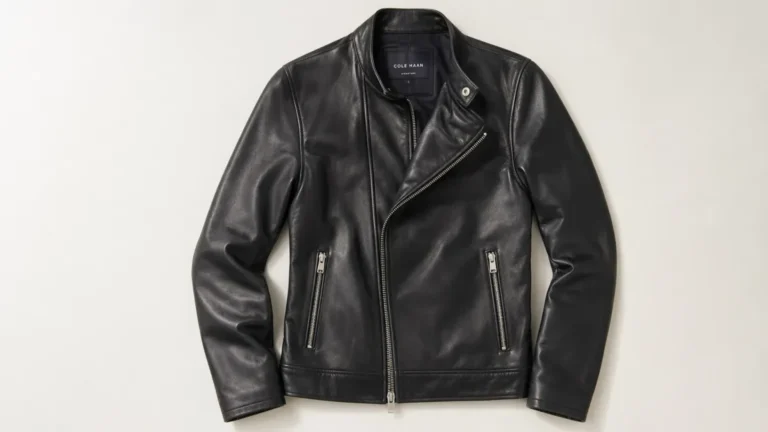
At some point during this transition from aviation gear to road wear, the original button closure gave way to a zipper. That single design change — faster, more secure, more practical — became the look riders still wear today.
The Moment Leather Became an Icon
Protection and practicality explain why bikers chose leather. Cinema explained why the rest of the world noticed.
In 1953, Marlon Brando starred in The Wild One. He played Johnny Strabler, leader of a motorcycle club called the Black Rebels. Brando wore a leather motorcycle jacket throughout the film — and that image burned itself into popular culture permanently.
The jacket became a symbol. Not just of motorcycles, but of rebellion, independence, and a certain kind of cool that polite society found threatening. In some parts of the United States and the United Kingdom, leather biker jackets were actually banned from sale for a period because of their association with youth rebellion and lawlessness.
That ban, of course, only made them more desirable.
Just a few years later, James Dean died at the wheel at 24 years old — often photographed in leather. The connection between the jacket and a certain edge-of-danger attitude deepened further.
Rock and Roll Picked Up Where Cinema Left Off
By the late 1950s, leather was no longer just for riders. Rock musicians adopted the motorcycle jacket as their uniform.
It made sense. The jacket said something. It projected attitude without a single word. Elvis Presley wore one astride his Harley in one of the most reproduced photographs in rock history. The jacket he wore in that image has since been faithfully recreated by craftspeople working from the original.
From Elvis to the punk movement of the 1970s to the metal bands of the 1980s, every generation of counter-culture musicians reached for leather. The motorcycle jacket carried their message before they even played a note.
Why Leather Still Wins Today
Synthetics have improved. New materials claim to offer similar protection. And yet — experienced riders still choose leather. Here is why.
Durability That Actually Lasts
A well-made leather biker jacket does not wear out quickly. It breaks in. The material softens and molds to the wearer over time, becoming more comfortable with every ride rather than less. A quality leather jacket can last decades with basic care. Most synthetic alternatives last a fraction of that.
Natural Weather Resistance
Leather handles wind, light rain, and temperature drops far better than most people expect. It is not waterproof in a downpour, but it resists moisture far longer than fabric. In the dry cold of an early morning ride, leather is genuinely hard to beat.
Abrasion Resistance That Matters
CE-rated motorcycle gear exists. Airbag vests exist. Modern armor inserts exist. But the outer shell still matters enormously when a rider hits the ground. Leather remains one of the highest-performing materials for abrasion resistance that also happens to look good on and off the bike.
The Jacket Moves With You
Leather is flexible enough to move naturally while riding — important when a rider needs full arm mobility and shoulder rotation. Stiff materials restrict movement. Quality leather does not.
The Cultural Legacy Carries On
The image of the leather-clad rider never left cinema either. Arnold Schwarzenegger in Terminator 2, Carrie-Anne Moss in The Matrix, Uma Thurman in Kill Bill, Tom Cruise in Top Gun — leather jackets remain the cinematic shorthand for speed, toughness, and cool.
That association reinforces what bikers already know from experience: the jacket works. It has always worked. It just happens to look extraordinary doing it.
Vintage designs from the 1930s through the 1960s still represent the gold standard — both in craftsmanship and in style. The best modern makers study those original patterns rather than reinvent them. Simple, functional, and timeless.
What to Look for in a Quality Leather Riding Jacket
Not all leather jackets offer the same protection. If you ride, these details matter:
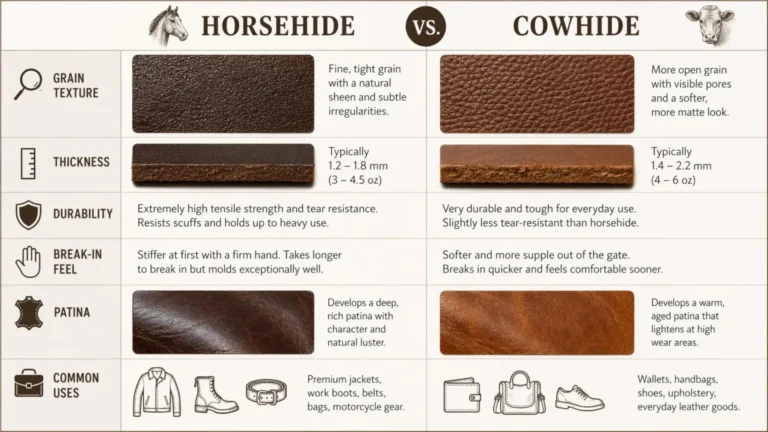
Thickness: Full-grain leather of 1.0mm to 1.4mm thickness offers meaningful abrasion resistance. Thinner splits or bonded leathers offer far less.
Construction: Flat-seam or double-stitched seams hold together under impact. Single-stitch seams can separate.
Fit: A riding jacket should fit snugly at the shoulders and elbows. Excess material flaps at speed and reduces protection.
Lining and Armor Pockets: Modern leather riding jackets often include pockets designed for CE-rated armor at the elbows, shoulders, and back. These are worth using.
Hardware: Heavy-duty zippers and solid buckles signal quality construction overall.
A Jacket That Earns Its Place
There is no mystery here. Bikers wear leather because it works — and it has worked for over a hundred years. It protects against cold, wind, and road rash. It outlasts nearly every alternative. And it carries a cultural weight that no synthetic jacket has ever matched.
The leather biker jacket earns its place every single time a rider swings a leg over a bike and heads for the open road. That combination of function and meaning is exactly why it has never gone away — and why it never will.
Frequently Asked Questions
Why do bikers wear leather jackets instead of other materials? Leather offers a combination of abrasion resistance, wind protection, and durability that most other materials cannot match. When a rider falls, leather resists tearing far longer than fabric. It also insulates well and holds up over decades of use with proper care.
Is a leather jacket actually protective for motorcycle riding? Yes. Full-grain leather provides genuine abrasion resistance in a crash, which is the primary danger when a rider comes off a bike. Many leather riding jackets also include CE-rated armor at the elbows, shoulders, and back, making them a serious piece of safety gear rather than just a fashion item.
When did bikers start wearing leather jackets? Bikers started wearing leather jackets in the 1920s, first in the United States and then across Europe. The jackets were adapted from the leather flight gear used by World War I pilots, with the button closure eventually replaced by a zipper for faster, more secure fastening on the road.
Does a leather jacket keep you warm while riding a motorcycle? Yes. Leather is naturally dense and windproof, making it effective at blocking cold air during rides. It insulates the body significantly better than most woven fabrics and resists light moisture. For very cold conditions, layering under a leather jacket adds additional warmth without sacrificing its protective properties.

Grayscale Jacket Editorial Team is a group of fashion writers and product researchers who share guides, reviews, and styling tips about jackets and outerwear. Their goal is to help readers choose high-quality, stylish jackets while staying updated with the latest fashion trends.