
Are Leather Jackets Warm?
The honest answer — and how to get the most warmth from yours
Yes, leather jackets are warm — but the real answer is more interesting than that. A thin, unlined jacket will keep a light chill off your shoulders. A sherpa-lined or quilted leather jacket can handle genuine winter cold. The warmth you get depends almost entirely on how the jacket is built, not just the leather itself.
If you have ever stood outside in a leather jacket and wondered why you still felt the chill, this guide is for you. You will learn exactly how leather traps heat, which styles perform best in different temperatures, and how to layer so your jacket works harder in colder weather.
How Leather Actually Holds Heat
Leather is a natural material with an interesting thermal property. It acts as a windbreak. When cold air tries to push through, the dense fibers slow it down considerably. That wind-blocking ability is the first layer of warmth you get from any leather jacket.
But leather on its own is not an insulator the way wool or down is. What really determines how warm a leather jacket feels is what sits underneath the outer shell — the lining. A thin polyester lining adds minimal warmth. A quilted or sherpa lining changes the jacket entirely.
“Leather inherently has pores. It is a breathable material. You can wear leather comfortably in a lot of different temperatures.” — Jason Schott, Schott NYC
Think of the leather shell like the outer layer of a house wall — it stops the wind and rain. The insulation inside is what keeps you genuinely warm. When both work together, a leather jacket becomes a serious cold-weather piece.
Warmth by Jacket Type
Shearling and Sheepskin Bombers
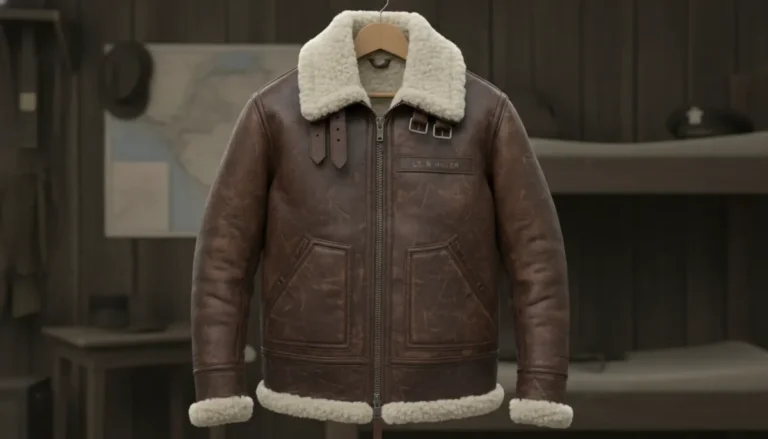
These are the warmest leather jackets you can buy. The wool remains on the hide, creating natural insulation that traps body heat with remarkable efficiency. Pilots wore them in open cockpits at altitude. That tells you everything about their performance. If true winter warmth is the goal, a shearling jacket is the answer.
Quilted-Lined Leather Jackets
A step below shearling but still genuinely warm. The quilted fill — often polyester batting — creates small pockets of trapped air. Air is an excellent insulator. These jackets handle freezing temperatures with ease and remain packable enough for travel.
Sherpa-Lined Moto Jackets
The classic biker jacket with a sherpa lining hits a sweet spot. You get the iconic silhouette with enough warmth for cold autumn days and mild winters. The thick fleece lining adds bulk inside the collar and body without making the jacket feel heavy.
Standard Lined Leather Jackets
Most everyday leather jackets fall here. A cotton, viscose, or nylon lining keeps wind off your skin and adds a little warmth. Perfect for spring and fall — not the right choice when temperatures drop seriously low. Layer a chunky knit sweater underneath and the game changes entirely.
Unlined Leather Jackets
Minimalist and light. Great for warmer months or indoors. These jackets look sharp but offer little thermal protection. Think of them as a windbreaker with a premium finish, not a winter coat.
Does the Type of Leather Matter for Warmth?
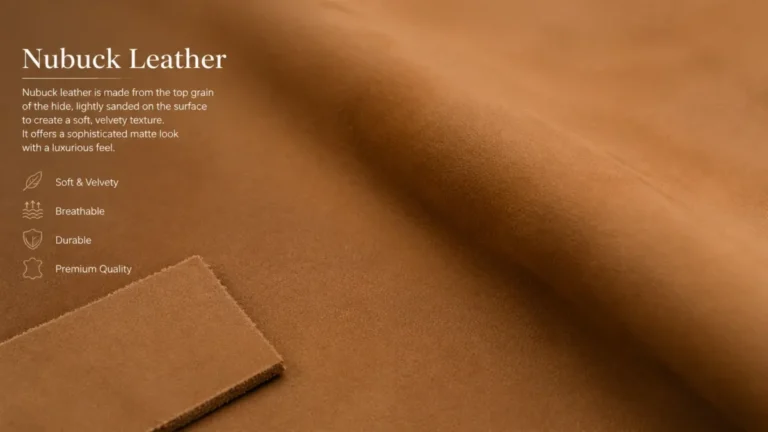
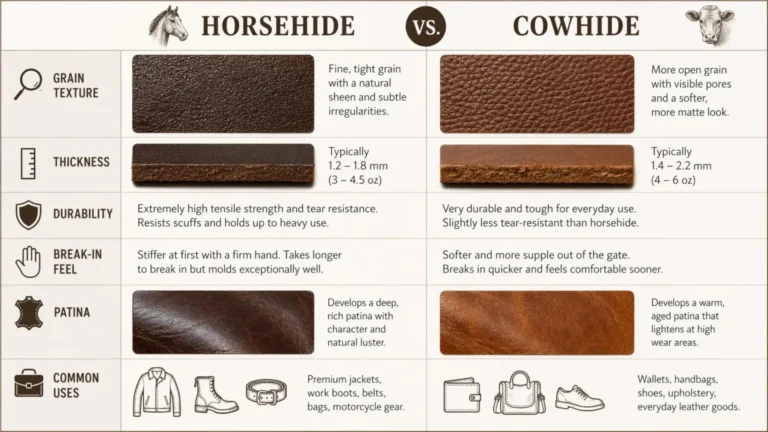
Yes, though the difference is often smaller than people expect. Thicker, full-grain leather hides more insulating air pockets in its dense fiber structure. Lambskin is soft and buttery but thinner — it gives less natural resistance to cold on its own.
Buffalo and cowhide jackets tend to be the densest. They block wind more aggressively and feel more substantial against a cold breeze. Lambskin and goatskin are lighter and more breathable, which makes them comfortable in milder weather but less effective when temperatures really drop.
For a thorough breakdown of how leather types compare for cold-weather use, the guide at Buffalo Jackson covers this well across multiple jacket categories.
How to Layer for More Warmth
Layering is the smartest move you can make if your leather jacket is not quite warm enough on its own. The right layers underneath can make a standard lined jacket feel like a proper winter coat.
Start with a thermal base layer. A merino wool or moisture-wicking base traps warmth close to your body and pulls sweat away. Then add a mid-layer — a chunky knit sweater or a fleece-lined hoodie works perfectly. The leather jacket goes over the top as your windproof shell.
A scarf tucked into the collar closes off the biggest gap where cold air enters. Leather gloves complete the look and serve a real function. With this system, even an unlined jacket becomes surprisingly capable in cold weather.
Layering turns a basic leather jacket into a cold-weather system. The leather handles wind; your base and mid-layers handle warmth.
Is a Leather Jacket Warmer Than a Wool Coat or Denim Jacket?
Compare them honestly and here is where each lands. A denim jacket offers almost no wind resistance and minimal insulation. Leather beats denim in every cold-weather category.
Wool coats are naturally insulating and breathable. A heavyweight wool overcoat rivals or beats a standard lined leather jacket for warmth. But add a sherpa lining or quilted fill to the leather, and it overtakes most wool coats — especially in wind and rain, where leather has a natural edge.
Down jackets outperform leather jackets in pure insulation per ounce. But leather jackets win on durability, structure, and longevity. A quality leather jacket lasts decades and only looks better with age — something a puffer simply cannot claim. The expert consensus at Stridewise puts insulated leather jackets well ahead of denim and comparable to mid-weight wool for practical cold-weather use.
Care Tips That Protect Warmth and Longevity
A well-maintained leather jacket seals better against wind and moisture, which directly affects how warm it feels. Here is what actually matters.
Condition the leather two to four times per year. Dry leather develops micro-cracks that let in cold air. A good leather conditioner keeps the hide supple and tight. Avoid soaking the jacket in rain — prolonged moisture weakens the fiber structure over time.
Store the jacket on a wide, padded hanger. Wire hangers distort the shoulders and compress the lining, reducing its ability to trap warm air. Keep the jacket away from direct heat sources, which dry out the leather rapidly.
If the lining starts to thin or tear, get it repaired or replaced. A damaged lining is the fastest way to turn a warm leather jacket into a cold one.
So, Are Leather Jackets Worth Wearing in Winter?
Absolutely — if you choose the right one. A shearling or quilted leather jacket handles real winter cold with authority. A standard lined jacket works perfectly for milder temperatures and layers beautifully when things get colder.
Leather brings something no synthetic jacket can match: it improves with time. The break-in period softens the fibers and molds the jacket to your shape. Years of wear create a patina that tells a story. You are not just buying warmth — you are buying something that lasts.
Pick your jacket based on your climate. Layer intelligently. Condition it regularly. Done right, a leather jacket is not just a style choice — it is a genuinely smart cold-weather investment.

Grayscale Jacket Editorial Team is a group of fashion writers and product researchers who share guides, reviews, and styling tips about jackets and outerwear. Their goal is to help readers choose high-quality, stylish jackets while staying updated with the latest fashion trends.