Common Mistakes When Ordering a Custom Leather Jacket Online
Ordering a custom leather jacket online feels exciting — until the package arrives and something is completely off. Wrong fit. Wrong leather. Hardware that looks nothing like what you imagined. The frustration is real, and it happens more often than you think.
The good news? Every single one of these mistakes is avoidable. This guide walks you through the most common pitfalls buyers run into, why they happen, and exactly how to sidestep them — so your jacket turns out exactly the way you envisioned it.
Mistake 1: Taking Inaccurate Measurements
This is the number one reason people end up disappointed. It is rarely one dramatic blunder — it is a series of small missteps that pile up. A chest measurement taken alone instead of with help. A sleeve length guessed rather than measured. Shoulders eyeballed from an old jacket. Each individual error feels minor, but together they produce a jacket that simply does not feel right.
What to Do Instead
Grab a flexible measuring tape and measure at least twice. Better yet, ask someone to help — solo measurements can skew, especially across the shoulders and back. Note down your chest, waist, hips, shoulder width, sleeve length, and torso length.
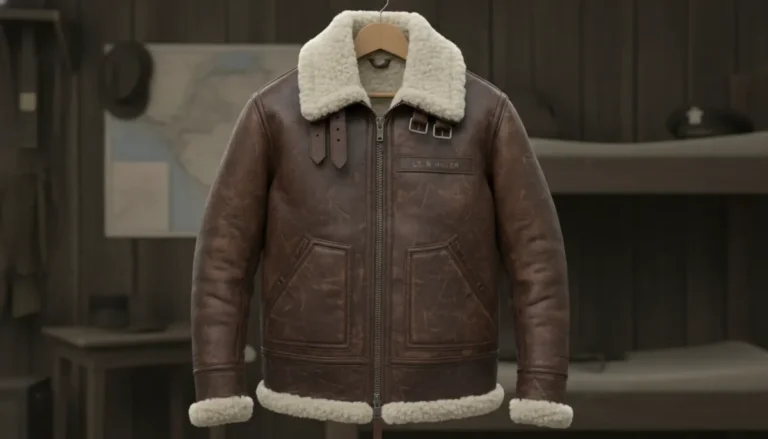
Also factor in the jacket style. A biker leather jacket runs snug, so precise chest and waist numbers matter most. A bomber jacket carries more room for layering, so you build in a little extra comfort. Different silhouettes demand different measurement priorities before placing your order.
One underrated trick: pull out a jacket you already own that fits well. Measure its actual dimensions — chest across the back, sleeve from shoulder seam to cuff — and compare those numbers to the brand’s size chart. That single step eliminates a huge amount of guesswork.
Mistake 2: Picking the Wrong Leather Type
Most buyers focus on color and style. Leather type gets treated like a footnote — and that is a costly oversight. The hide you choose determines how your jacket looks on day one, how it feels against your skin, and how it holds up over the years.
Breaking Down Your Options
Lambskin is soft, lightweight, and buttery smooth. It drapes beautifully and suits slim, tailored silhouettes. The trade-off is durability — it scuffs more easily than heavier hides.
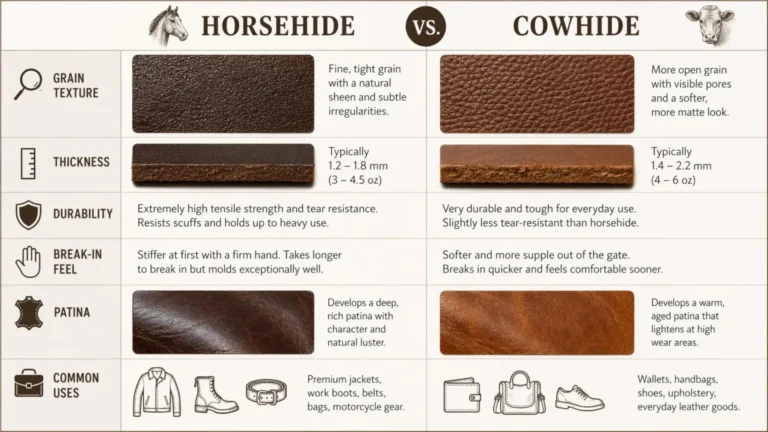
Cowhide is the go-to for rugged outerwear. Thick, structured, and tough, it handles daily wear and weather far better than lambskin. Biker jackets and moto styles typically use cowhide for exactly this reason.
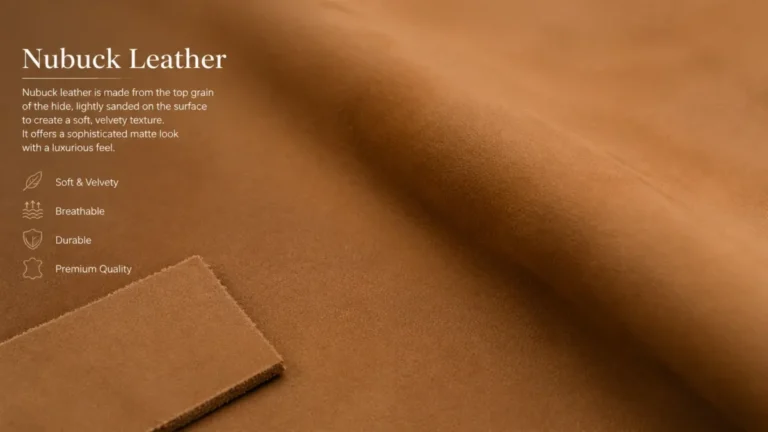
Suede offers a textured, relaxed aesthetic. Popular for casual blazer-style cuts and softer looks, suede is sensitive to water and needs more care to maintain.
Goatskin sits in between — more durable than lambskin but softer than cowhide, with a distinct pebbled grain that adds character.
Think about your lifestyle. Do you ride? Cowhide. Want something to wear to dinners and events? Lambskin. Casual everyday rotation? Goatskin or suede depending on the look. Choosing the right leather type is one of the most important decisions in the entire customization process — give it the attention it deserves.
Mistake 3: Overlooking the Lining, Hardware, and Construction Details
Buyers obsess over the outer shell and forget everything underneath and around it. Lining, zippers, buttons, stitching, hardware finish — these details quietly shape how your jacket feels to wear and how long it lasts.
Lining Matters More Than You Think
A polyester lining keeps the price down but traps heat. Satin feels luxurious but slides around. Cotton breathes well and holds its shape over time. If you plan to wear your jacket in cooler months, a quilted or wool-blend lining adds genuine warmth. In warmer climates, a lightweight mesh or thin cotton keeps you from overheating.
Hardware Sets the Tone
Zipper quality is one of those things you notice immediately when it fails. YKK zippers — the industry standard — run smoothly and last for years. Generic alternatives corrode, stick, and break.
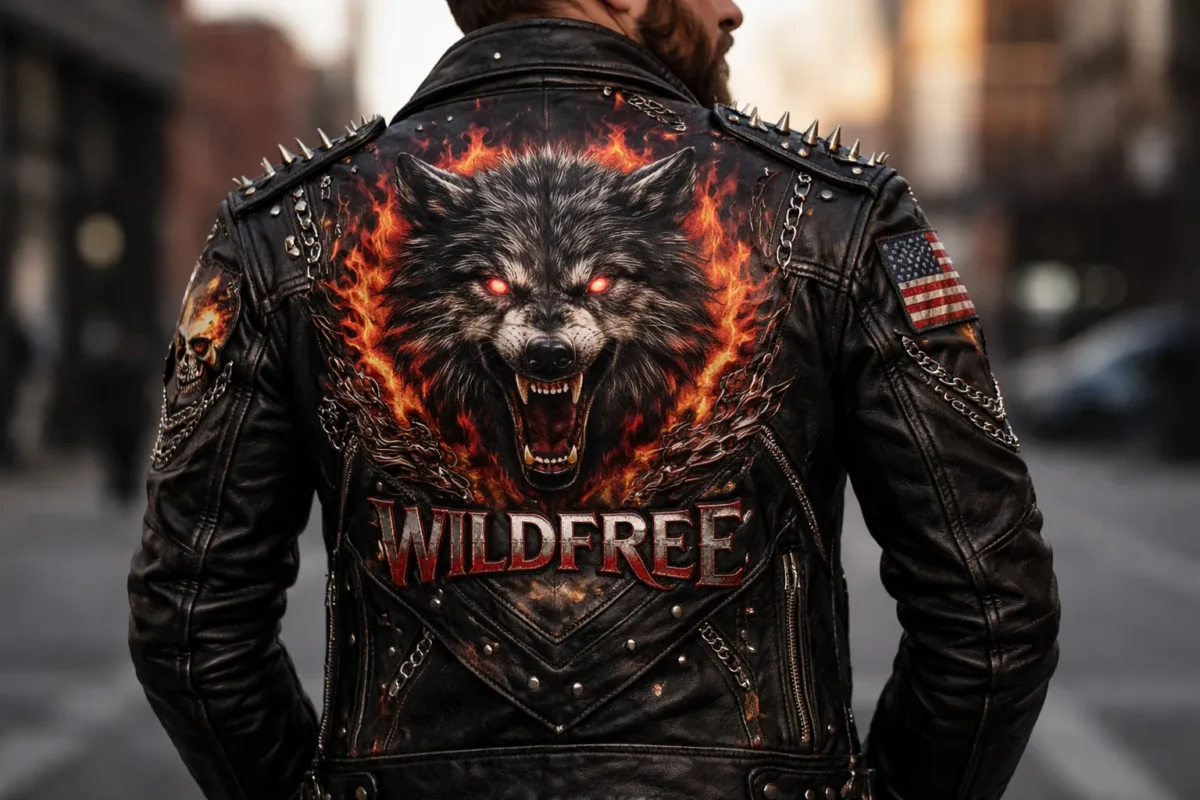
Beyond function, the finish you choose changes the entire look of the jacket. Antique brass reads vintage and warm. Gunmetal goes edgy and modern. Silver hardware sits clean and versatile. These small choices create the overall aesthetic — so do not treat them as afterthoughts.
Stitching and Seam Strength
Double stitching on stress points like the shoulders and armholes signals quality construction. Single-stitch seams on high-movement areas wear out faster. Always ask about stitching specifications when placing a custom order.
Mistake 4: Failing to Communicate Your Fit Preference
Two people with identical measurements can want completely different jackets. One wants a sharp, tailored silhouette. The other wants relaxed and roomy. Measurements tell the maker how big your body is — they do not tell the maker how you want the jacket to sit on it.
Many buyers assume the jacket maker will figure this out. They rarely do without explicit direction. The result is a jacket that technically fits but feels off — too boxy, too tight across the shoulders, too short in the torso.
Be Specific About How You Plan to Wear It
Think through the actual use case. Is this a statement piece you layer over a slim sweater for evenings out? Or a daily driver you throw over hoodies and thick knits in winter? That changes everything — the shoulder drop, the torso length, the amount of ease across the chest.
Tell your maker exactly what you want. “Fitted through the torso with room across the shoulders” is far more useful than just your chest measurement. Share photos of jackets you love, even rough sketches if that helps. The clearer your brief, the closer the final product comes to your vision.
Mistake 5: Not Sharing Visual References
Words describe. Images communicate. Even the most detailed written brief leaves room for interpretation. A photo eliminates ambiguity in seconds.
If you have a jacket you love the silhouette of, photograph it. If you saw something on social media that captures the vibe you want, screenshot it. Hardware finish, lapel style, pocket placement, zipper angle — all of these details transfer far more accurately through a reference image than through written description alone.
Most quality makers actively welcome visual references. They want to get it right as much as you do. Use that to your advantage.
Mistake 6: Rushing the Process
Custom orders take time. That is the entire point — someone is building something specifically for you, not pulling a pre-made piece off a shelf. Buyers who place orders too close to a deadline — a birthday, a concert, an event — end up pressuring the process, which leads to errors.
Plan ahead. Build in buffer time for any back-and-forth communication, production, and shipping. A well-made custom leather jacket is worth waiting for. Rushing it is how you end up with something that almost hits the mark.
Mistake 7: Ignoring Reviews and the Maker’s Track Record
Not all custom jacket makers operate at the same level. Some have deep experience with bespoke leather construction. Others are better at mass production and treat customization as an add-on they half-heartedly accommodate.
Before you place an order, look at actual customer photos — not just the brand’s polished marketing images. Read through reviews carefully, paying attention to comments about communication, accuracy to the brief, and quality of construction. A maker who responds quickly, asks good clarifying questions, and has a portfolio of completed custom work is worth a premium.
According to a detailed breakdown of common ordering mistakes, one of the most avoidable errors buyers make is failing to verify the maker’s experience with genuine bespoke work before committing to an order. Spend 20 minutes doing your homework before you spend hundreds of dollars.
A Quick Checklist Before You Order
Before you hit confirm on your next custom order, run through this:
- Measurements taken twice, with help if possible
- Leather type matched to your use case and lifestyle
- Lining material chosen for your climate and comfort
- Hardware finish specified clearly — style, color, brand if possible
- Fit preference communicated beyond just size numbers
- Visual references attached to your order notes
- Enough lead time built in before you need the jacket
- Maker’s reviews and past custom work verified
Every item on that list takes only a few minutes. Together, they dramatically increase the odds that your jacket comes out exactly right.
Final Thoughts
A well-ordered custom leather jacket becomes one of those pieces you reach for constantly — it fits your body, matches your style, and gets better with every wear. Getting there requires a bit of patience and attention to detail upfront, but it is genuinely not complicated.
Slow down at the beginning of the process. Measure carefully. Choose your materials with intention. Communicate clearly. Give your maker everything they need to get it right. Do all of that, and you will open that package to exactly the jacket you imagined — not a frustrating approximation of it.
Frequently Asked Questions
What is the most common mistake people make when ordering a custom leather jacket online?
The most common mistake is submitting inaccurate body measurements. Small errors in chest, sleeve, or shoulder measurements add up quickly. Always measure twice, get a friend to help, and cross-check your numbers against the maker’s size guide before placing your order.
How do I choose the right leather type for my custom jacket?
Match the leather to your lifestyle. Lambskin suits slim, dressy styles but scuffs easily. Cowhide handles rugged daily wear and riding. Suede works for casual looks but needs extra care. Think about how often you will wear it and in what conditions before deciding.
Does fit preference matter if I already gave my exact measurements?
Yes, absolutely. Two people with the same measurements can want very different fits — one tailored, one relaxed. Always tell your maker whether you want a fitted or roomier silhouette, and describe how you plan to layer the jacket. Measurements alone do not communicate fit preference.
How long does it take to receive a custom leather jacket after ordering?
Production timelines vary by maker, but most quality custom leather jackets take between 3 to 6 weeks to produce, plus shipping time. Always confirm the timeline before ordering and build in extra buffer if you need the jacket for a specific event or date.

Grayscale Jacket Editorial Team is a group of fashion writers and product researchers who share guides, reviews, and styling tips about jackets and outerwear. Their goal is to help readers choose high-quality, stylish jackets while staying updated with the latest fashion trends.