
Microfiber Leather: What It Is, Why It Matters, and Whether You Should Choose It
You searched for microfiber leather because something about it caught your attention — maybe a product label, a buying guide, or a friend who swore by it. Whatever brought you here, you deserve a straight answer. This guide covers exactly what this material is, how it performs in the real world, and how it stacks up against genuine leather.
Shopping for leather goods today means navigating a sea of confusing terms. Faux leather, PU leather, bonded leather, vegan leather — the list goes on. Microfiber leather sits among these options, but it stands apart in meaningful ways. By the end of this article, you will know precisely what makes it different, where it excels, and where it falls short.
What Exactly Is Microfiber Leather?
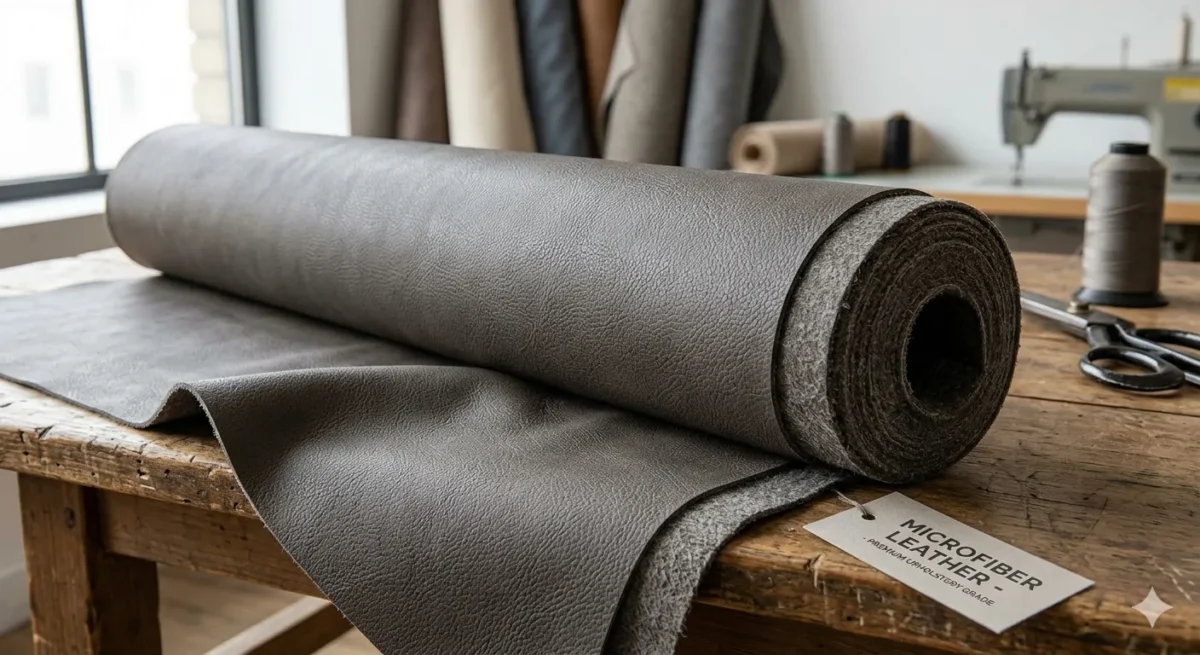
Microfiber leather is a nonwoven synthetic material built around a three-dimensional structure of short, superfine fibers combined with a polyurethane resin layer. Manufacturers create it by processing ultrafine polyamide fibers and then coating the surface with polyurethane — giving it both structure and a leather-like finish.
The base layer carries no grain pattern, much like the backing of genuine leather, and the surface PU coating gets embossed with various grains and colors — which is why it adapts so well across product categories.
This is not the same as cheap faux leather you find on bargain-bin products. The manufacturing process demands precision, and the result is a material that genuinely competes with animal-derived leather in several performance categories.
How Microfiber Leather Gets Made
The production process begins with adding resin to crushed cowhide leather scraps to form a skin pulp. This pulp then undergoes mechanical calendering and gets coated with PU film through wet or dry processes.
The outcome is a consistent, defect-free sheet of material. Unlike genuine leather, microfiber leather carries a uniform surface with no holes or flaws, which gives it a significantly higher coefficient of utilization compared to animal hide. Less waste, more usable material per production run.
The Key Characteristics That Set It Apart
Durability You Can Count On
The stable surface layer gives microfiber leather better resistance to wear and tear than genuine leather. It handles daily friction well — whether on a sofa arm, a jacket sleeve, or the interior of a car door.
Physical performance metrics like abrasion resistance, hydrolysis resistance, tear strength, and anti-flexing performance all outperform real leather in laboratory comparisons. That matters enormously for products that take a beating every day.
Breathability and Comfort
One common complaint about synthetic leathers is that they trap heat. Microfiber leather handles this better than most. It maintains an adequate level of air permeability and breathability, which makes a noticeable difference in clothing and footwear.
It also performs across seasons. Its cold resistance and ability to absorb heat while dissipating it more slowly make it suitable for year-round use — warm in winter, cooler in summer.
Water and Stain Resistance
The polyurethane resin on the surface makes microfiber leather waterproof to a degree, and the tightly woven fibers mean products made from it wash easily. Stains rarely set in. Spill something on a microfiber leather sofa, and you can usually wipe it clean without any drama.
It does not require the conditioning and polishing routines that genuine leather demands — a practical advantage for people who want good-looking products without high-maintenance care rituals.
Eco-Friendly Credentials
Microfiber leather is a nontoxic material that is safe for the environment and resistant to moths and mildew. For buyers who avoid animal products, this makes it a genuinely compelling vegan leather option
It can pass REACH testing and meets safety standards that rule out harmful heavy metals — requirements that some real leather products fail.
Where Microfiber Leather Gets Used
Manufacturers use microfiber leather to produce garments such as pants, jackets, skirts, and coats. Accessories including bags, luggage, belts, shoes, and gloves made from this material tend to last well.
Furniture makers love it too. Microfiber leather sofas and chairs appear in homes and offices worldwide because the material holds its shape, resists staining, and wipes clean easily.
In the automotive and aviation industries, microfiber leather covers car seats, marine boat interiors, and aircraft seating because it meets fire resistance standards such as FMVSS 302 and BS5852, passes California Prop 65 regulations, and maintains low VOC emissions.
Microfiber Leather vs. Real Leather: An Honest Comparison
Texture and Appearance
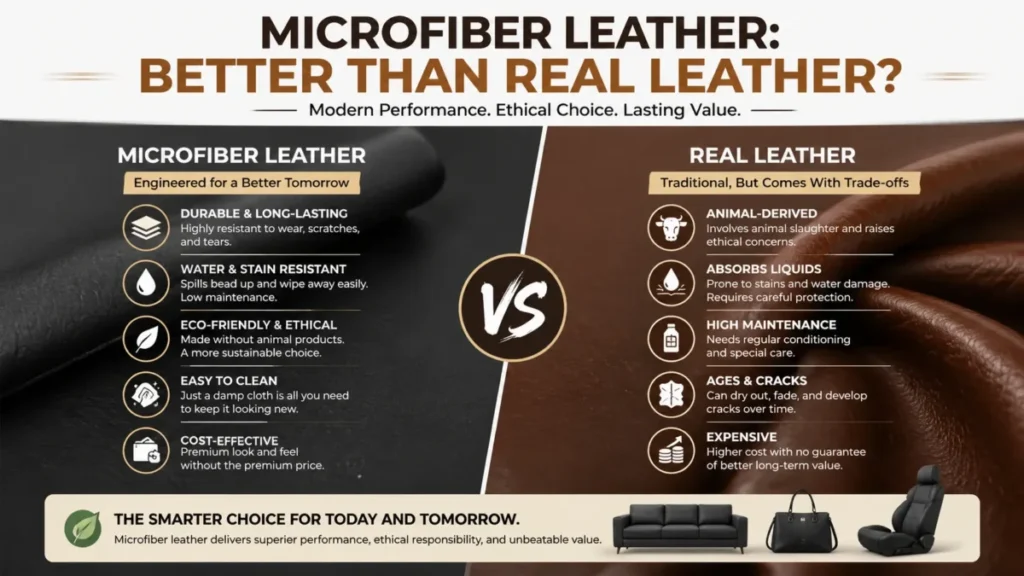
Real leather carries natural grain patterns, subtle variations, and a patina that develops over time. Many people love that lived-in quality. Some buyers argue that microfiber leather does not develop the same depth of color or age with the same character as real leather — and that is a fair point.
The presence of natural pores found on animal skin is the factor that truly distinguishes real leather. Microfiber fabric leather has a uniform, smooth texture — closer in feel to a high-quality plastic than a natural hide.
Weight and Smell
Genuine leather carries a specific gravity of around 0.6, while microfiber leather sits at about 0.3 — meaning real leather products weigh noticeably more. Whether heavier is better depends entirely on what you are buying. A heavy leather jacket feels substantial. Heavy shoes feel tiring.
Microfiber leather also lacks the natural animal smell of genuine hide. Some microfiber products carry a faint plastic-like odor, though high-quality versions typically have no strong scent at all.
Cost
Microfiber leather costs roughly 30% of what genuine leather costs — a significant difference that makes quality products accessible to a much wider range of buyers.
Microfiber Leather vs. PVC and PU Leather
Not all synthetic leathers perform equally. This is where microfiber leather genuinely earns its reputation.
PVC leather uses multiple layers — fabric backing, foam, a skin layer, and a plastic surface coating. It is highly durable but less flexible than microfiber leather. PVC also breathes poorly compared to microfiber.
When stacked against standard PU leather, microfiber synthetic leather outperforms it in abrasion resistance, hydrolysis resistance, and color fastness. The base of PU leather typically uses woven or nonwoven fabric with a PU surface coat — structurally simpler than microfiber.
If someone offers you a choice between these three synthetics, microfiber leather sits at the top of the quality ladder.
What About Microfiber Suede?
Microfiber suede refers to polished microfiber processed to resemble suede leather. Its surface mimics the brushed nap of genuine suede, and it gets manufactured from polyester and nylon — making it tough, durable, and more affordable than real suede.
The soft, supple quality makes it popular for footwear, garments, and bags. Performance-wise, it behaves similarly to regular microfiber leather, with slightly different surface texture and finish applications.
The Honest Drawbacks
Every material has its limits. Microfiber leather carries a few worth knowing about.
It is not as breathable as genuine leather in all conditions, and some people find it feels warm and sticky in hot weather when used for garments worn close to the skin.
Most synthetic leathers derive from petrochemical-based materials, which require energy and resources to produce — meaning their overall environmental footprint is not zero, despite being animal-free.
Microfiber leather is also flammable and tends to attract dust and pet hair — two practical downsides worth factoring in if you have pets or live in a dusty environment.
It also costs more than basic PU leather, which can feel counterintuitive when buyers expect all synthetics to be budget-friendly.
How to Care for Microfiber Leather
Caring for this material requires minimal effort. Use a vacuum to remove dust and pet hair regularly. For spills and everyday grime, a damp microfiber cloth works well. Avoid harsh chemical cleaners — they can break down the surface coating over time.
Keep microfiber leather items away from prolonged direct sun exposure. UV rays and sustained heat can weaken the surface layer, especially over years of use. Store garments and bags in cool, dry spaces when not in use.
Is Microfiber Leather the Right Choice for You?
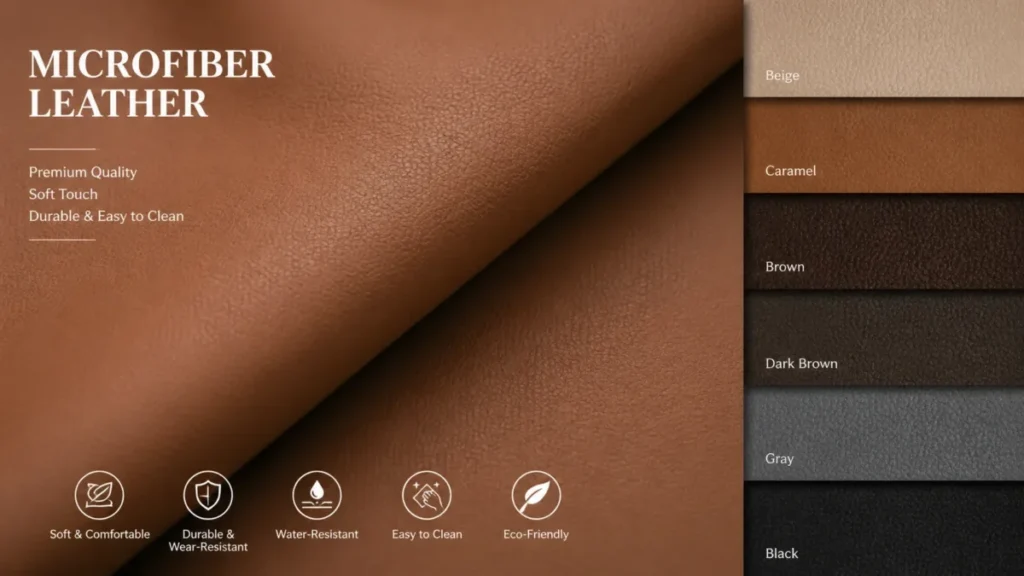
If you want a material that resists wear, cleans easily, costs less than genuine leather, and involves no animal products — microfiber leather checks every box. It suits car interiors, furniture, jackets, bags, shoes, and more.
If you value the natural aging process of genuine leather, the unique texture of animal hide, and the deep patina that develops over decades — real leather still holds advantages that no synthetic fully replicates.
The choice depends on your priorities, your budget, and how you plan to use the product. Both materials have real merit. Knowing the difference means you shop with confidence rather than guesswork.
Frequently Asked Questions
Is microfiber leather good quality or just cheap synthetic material?
Microfiber leather sits at the top end of synthetic leathers. It outperforms PU and PVC leather in durability, abrasion resistance, and breathability. High-quality microfiber leather products last 5 to 10 years or more with proper care — far longer than lower-grade synthetics.
How can I tell microfiber leather apart from real leather at a store?
Microfiber leather has a uniform, consistent surface without natural pores or grain variation. Real leather shows subtle imperfections and natural markings. Microfiber also weighs noticeably less and may carry a faint synthetic scent, while genuine leather has a distinctive natural animal smell.
Does microfiber leather crack or peel over time like other fake leathers?
Unlike bonded leather or low-grade PU leather, microfiber leather does not peel or crack under normal conditions. Its tightly structured fiber base holds together well. Exposure to harsh chemicals, extreme heat, or heavy neglect can degrade it, but with standard care it maintains its appearance for years.
What makes microfiber leather a good vegan leather option compared to others?
Microfiber leather uses no animal products and passes safety certifications that screen out harmful chemicals and heavy metals. It matches or exceeds genuine leather in several performance categories, making it one of the most functional and durable vegan leather alternatives currently available for clothing, furniture, and accessories.

Grayscale Jacket Editorial Team is a group of fashion writers and product researchers who share guides, reviews, and styling tips about jackets and outerwear. Their goal is to help readers choose high-quality, stylish jackets while staying updated with the latest fashion trends.