How to Choose the Best Dog Life Jacket (Complete Buying Guide for 2026)
Your dog loves the water — and you want to keep them safe in it. Whether you’re planning a kayaking trip, a day at the lake, or just some beach fetch, picking the right gear makes all the difference. This guide walks you through everything you need to know before buying.
Choosing the right life vest for dogs isn’t as simple as grabbing the first brightly colored option you find online. Fit, buoyancy, material, and handle strength all play a role in how well a vest actually protects your pup. Stick with us — by the end, you’ll know exactly what to look for.
Why Your Dog Needs a Life Jacket
Let’s settle this first: even strong swimmers need backup.
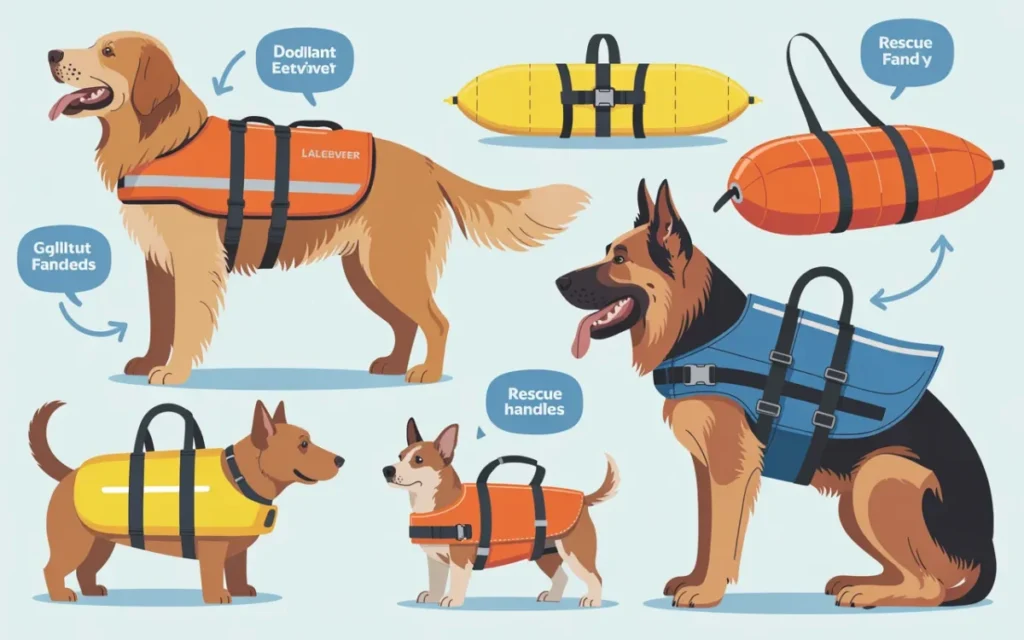
Dogs tire out faster than most owners expect. Cold water, strong currents, and unexpected waves can overwhelm even the most confident canine. A properly fitted dog life vest keeps your pup’s head above water when their legs give out — and gives you a grab point for fast rescues.
Beyond safety, there’s visibility. Most quality dog flotation vests come in high-contrast colors and feature reflective trim, so you can spot your dog in choppy or low-light conditions without squinting across the water.
Senior dogs and those recovering from joint issues also benefit enormously. A buoyant vest reduces the effort required to stay afloat, making water sessions more enjoyable and less exhausting for older pups.
What to Look For: Key Features Explained
Buoyancy Panels
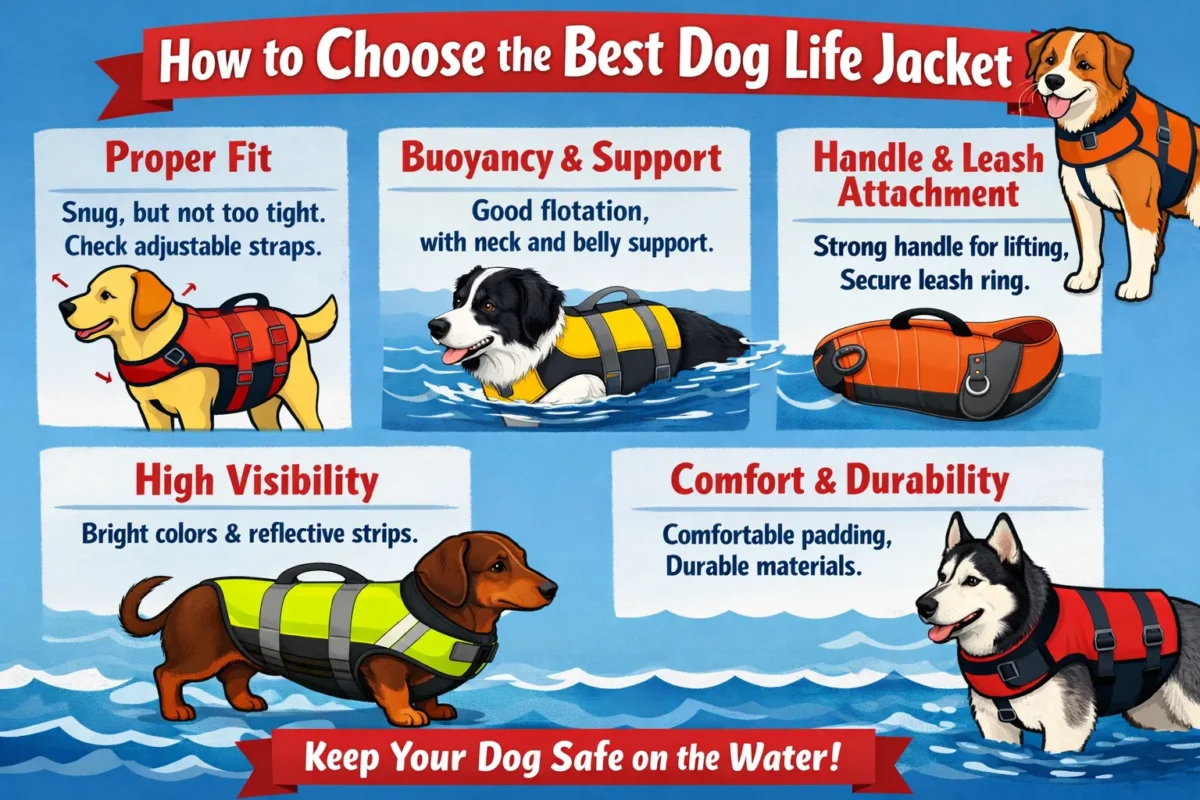
This is the most critical feature. Foam panels should sit high on the chest and sides — not just the back — to keep your dog’s head naturally above the waterline. Back-only foam is a common design flaw that causes dogs to tip forward in the water.
Closed-cell foam is the gold standard. It doesn’t absorb water, stays light throughout the swim, and maintains consistent lift. Check that the manufacturer lists a weight rating for the size you’re buying.
A Sturdy Grab Handle
Non-negotiable. A reinforced handle on the back lets you lift your dog onto a kayak, dock, or SUP in seconds. Avoid any life jacket for dogs that skips this feature unless you’re only using it in calm, shallow water with a gentle slope exit.
The handle should sit flush with the foam when not in use — a low-profile design prevents snagging and keeps the jacket streamlined.
Secure Fit and Adjustability
A vest that shifts around in the water is dangerous. Look for multiple adjustment points — at the chest, belly, and neck. Dual buckles and a velcro secondary closure add another layer of security.
The two-finger rule applies here just as it does with dog harnesses: you should be able to slide two fingers under any strap, but no more.
Reflective Strips and Visibility Colors
Bright oranges, reds, and yellows make your dog visible from a distance. Reflective trim matters especially for dawn, dusk, or overcast days on the water. high-visibility jackets allowed owners to spot their dogs from 100+ feet away on a crowded beach.
Material Durability
Look for 400–800 denier nylon or polyester. Higher denier means tighter weave and greater abrasion resistance. Neoprene liners add comfort and padding. For warm-weather swimmers, vented mesh belly panels keep airflow moving and prevent overheating.
Rinse saltwater out after every session. Salt accelerates material breakdown faster than almost anything else.
Leash D-Ring
Handy for controlling your dog near traffic or crowded boat ramps. A stainless or Duraflex D-ring integrated into the vest keeps you from juggling a separate harness at water’s edge.
How to Measure Your Dog for the Right Size
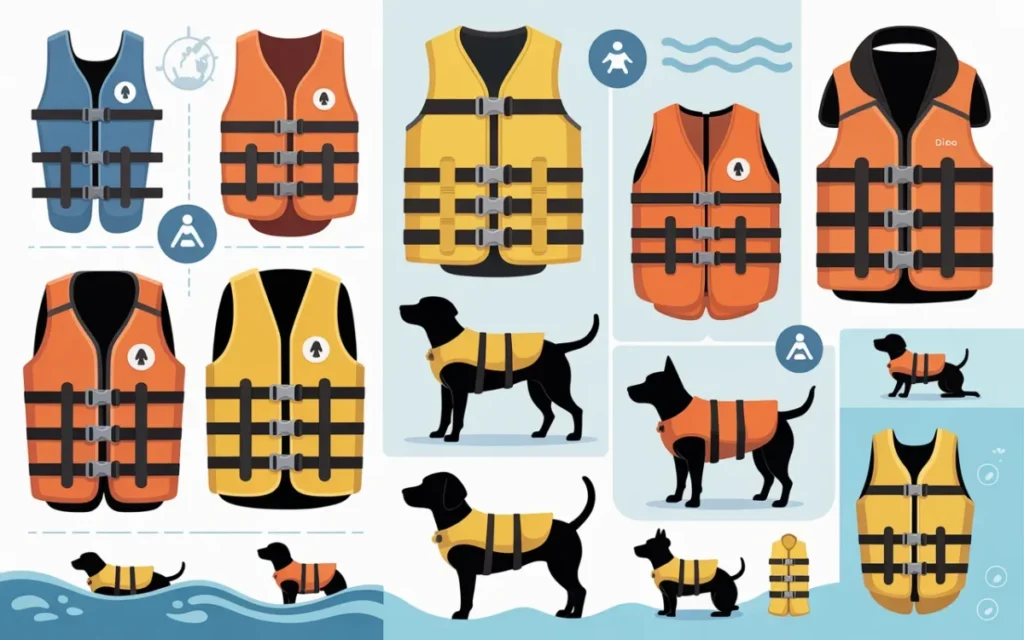
Getting the size right is where most buyers go wrong. Here’s the exact process:
Step 1 — Chest Girth: Wrap a soft measuring tape around the widest point of the chest, just behind the front legs. This is the most important measurement.
Step 2 — Neck Girth: Measure around the base of the neck where it’s thickest.
Step 3 — Back Length: Measure from the base of the neck to the base of the tail.
Step 4 — Weight: Weigh your dog and cross-reference all four data points with the brand’s size chart.
When your dog falls between two sizes, go larger — provided the straps can cinch down snugly. A jacket that’s too small restricts movement; one that’s slightly large but well-adjusted is far safer.
Once it’s on, lift your dog by the handle at home before heading to the water. If the vest shifts, slides, or rotates, tighten the straps and retest. The jacket should hold your dog’s weight evenly without pinching.
Choosing the Right Vest for Your Situation
Calm Water (Lakes, Pools, Gentle Rivers)
A mid-range dog flotation vest with solid buoyancy and good visibility works well here. You don’t need maximum foam coverage — just enough to support your dog if they tire out. The Kurgo Surf N’ Turf is a popular option in this category, with a bright profile and adjustable fit at a budget-friendly price point.
Rough Water (Ocean Surf, Rivers, Open Water Boating)
Step up to a jacket with maximum buoyancy coverage, a heavy-duty grab handle, and a telescoping or adjustable neck sleeve. The Ruffwear Float Coat is widely considered the benchmark for this use case — wrap-around foam panels, a flush-profile handle, and a streamlined cut that keeps dogs swimming freely in surf.
Big Dogs (Over 40 lbs)
Large breeds need vests with weight-rated foam and body-conforming construction. The Non-stop Dogwear Protector Life Jacket supports dogs up to 103 lbs, uses closed-cell HexiVent foam, and features a heavy-duty handle rated for the job. It’s the pricier option — but for a large dog in real open water, it’s worth every cent.
Senior Dogs or Dogs with Health Issues
Prioritize ease of entry, padded straps, and vest designs that reduce strain. Wide openings and quick-release buckles matter more than aesthetics here. Look for vests that offer belly support, which reduces spinal load for dogs with arthritis or hip dysplasia.
New Swimmers and Anxious Dogs
Extra flotation around the neck and chest builds confidence fast. Dogs that are nervous around water benefit from a vest that keeps their head high without any effort on their part. The added security often turns tentative waders into enthusiastic swimmers within a session or two.
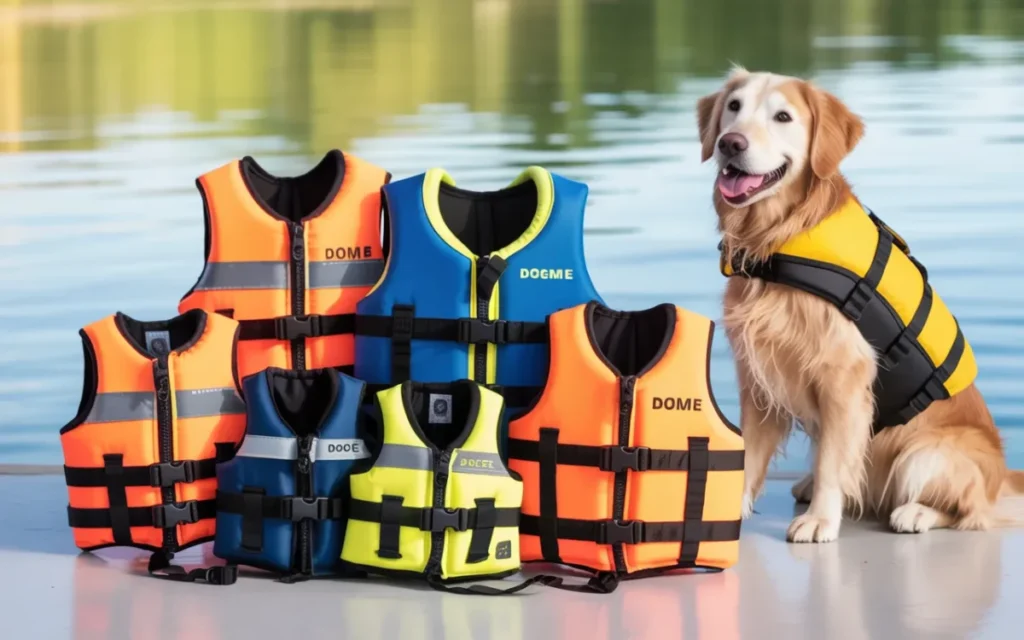
Best Dog Life Jackets Worth Considering in 2026
You’ll find a full hands-on breakdown over Here’s a quick snapshot of standout picks across different categories:
| Vest | Best For | Price Range |
|---|---|---|
| Ruffwear Float Coat | Overall best / rough water | ~$90 |
| Non-stop Dogwear Protector | Big dogs / serious open water | ~$159 |
| Kurgo Surf N’ Turf | Budget / small-to-medium dogs | $38–$55 |
| Astral Bird Dog | Adjustability / active adventures | ~$75 |
| Outward Hound Granby Splash | Casual use / budget-friendly | $16–$40 |
Prices vary by size and retailer. Always check the manufacturer’s current size charts before ordering.
How to Care for Your Dog’s Life Vest
A well-maintained float vest dogs love will last several seasons. Here’s the routine:
After every use: Rinse thoroughly with fresh water — especially after ocean or lake sessions. Salt and algae degrade foam and fabric faster than UV exposure.
Drying: Air dry only. Hang it in a ventilated area away from direct sun. Dryers and heaters distort foam and warp buckles.
Storage: Store flat or loosely folded in a cool, dry place. Avoid compressing it under heavy gear for extended periods — compressed foam loses buoyancy.
Inspection: Before each season, check every buckle, seam, and foam panel. Press the foam — if it doesn’t spring back, it’s degraded. Frayed stitching at stress points means it’s time to replace the vest.
When to replace: If the jacket fails your two-finger fit test after adjustment, shows foam compression, has cracked buckles, or visibly shifts during a lift test — retire it. A compromised vest is worse than no vest because it creates false confidence.
A Note on Breed and Body Shape
Not every vest works for every breed. Deep-chested breeds like Greyhounds and Dobermans need jackets with wide, wrap-around construction that doesn’t pinch behind the front legs. Barrel-chested breeds like English Bulldogs and French Bulldogs need generous belly panels and shorter back coverage.
Flat-nosed (brachycephalic) breeds — Pugs, Boxers, Shih Tzus — face a heightened drowning risk because they struggle to keep their airway clear while swimming. For these dogs, a dog life jacket with strong neck and chin support is especially important. Always consult your vet before taking a brachycephalic dog into open water.
Warm Conclusion
Water adventures with your dog are some of the best memories you’ll make together. A well-chosen dog life jacket doesn’t just add safety — it adds confidence, for both of you. Your dog can swim freely. You can focus on the fun instead of watching the waves nervously.
Take the time to measure correctly, prioritize buoyancy and handle quality, and match the vest to the water conditions you’re actually going to face. The right gear is out there — and now you know exactly how to find it.
Get out there. The water’s waiting.
FAQ: Real Questions, Straight Answers
Does my dog really need a life jacket if they’re a strong swimmer? Yes. Even the best canine swimmers tire out, and water conditions can shift in seconds. A dog life jacket provides buoyancy when your dog’s energy runs out, a grab handle for fast rescues, and high-visibility colors so you never lose sight of them. Confidence in the water doesn’t eliminate risk — it just delays it.
How do I know if a dog life vest fits correctly? You should be able to slide two fingers under any strap — snug, but not tight. Buckle the vest, then lift your dog by the handle. If the jacket shifts, rotates, or slips, tighten the straps and retest. Your dog should also be able to walk, sit, and move their legs freely without the vest rubbing behind the front legs.
What size life jacket for dogs should I buy for my breed? Measure your dog’s chest girth (behind the front legs), neck girth, back length, and weight. Cross-reference all four with the brand’s size chart — don’t guess based on your dog’s age or a generic “medium” label. When your dog sits between sizes, choose the larger size if the adjustment straps cinch down enough for a snug fit.
When should I replace my dog’s flotation vest? Replace it if the foam doesn’t spring back when pressed, buckles crack or fail to click securely, seams fray at stress points, or the vest noticeably shifts during a lift test. A degraded vest provides false security — it’s better to replace it proactively than discover the failure mid-swim.

Grayscale Jacket Editorial Team is a group of fashion writers and product researchers who share guides, reviews, and styling tips about jackets and outerwear. Their goal is to help readers choose high-quality, stylish jackets while staying updated with the latest fashion trends.